1. Using Human Toothpaste Instead of Dog Toothpaste
Dog Teeth cleaning mistakes to avoid One of the most dangerous mistakes owners make is using human toothpaste on their dogs. Human products contain fluoride, xylitol, and detergents that can be toxic to pets. Always use enzymatic dog toothpaste specifically formulated for dogs.
Try the Virbac C.E.T. Enzymatic Dog Toothpaste, a vet-approved option that safely breaks down plaque and freshens breath. Pair it with the Petrodex Finger Toothbrush Kit for better control during brushing.
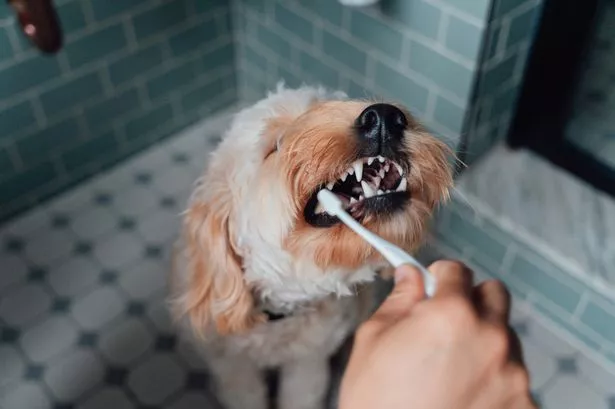
2. Skipping Brushing or Doing It Too Rarely
Brushing once every few weeks isn’t enough. Plaque begins forming within 24 hours, and tartar can harden in just three days. Skipping regular brushing is one of the leading causes of periodontal disease in dogs. Aim to brush your dog’s teeth at least three to four times a week—or daily for small breeds prone to dental problems.
Even occasional brushing is better than none, but consistency is key. Regular dog teeth cleaning prevents gum inflammation, tooth decay, and painful infections that can affect major organs like the heart and kidneys.
3. Brushing Too Hard or Incorrectly
Over-enthusiastic brushing can irritate your dog’s gums, causing bleeding and pain. Always use gentle, circular motions, focusing on the outer surfaces of the teeth. Avoid aggressive back-and-forth strokes. Patience and gentle technique are far more effective than force.
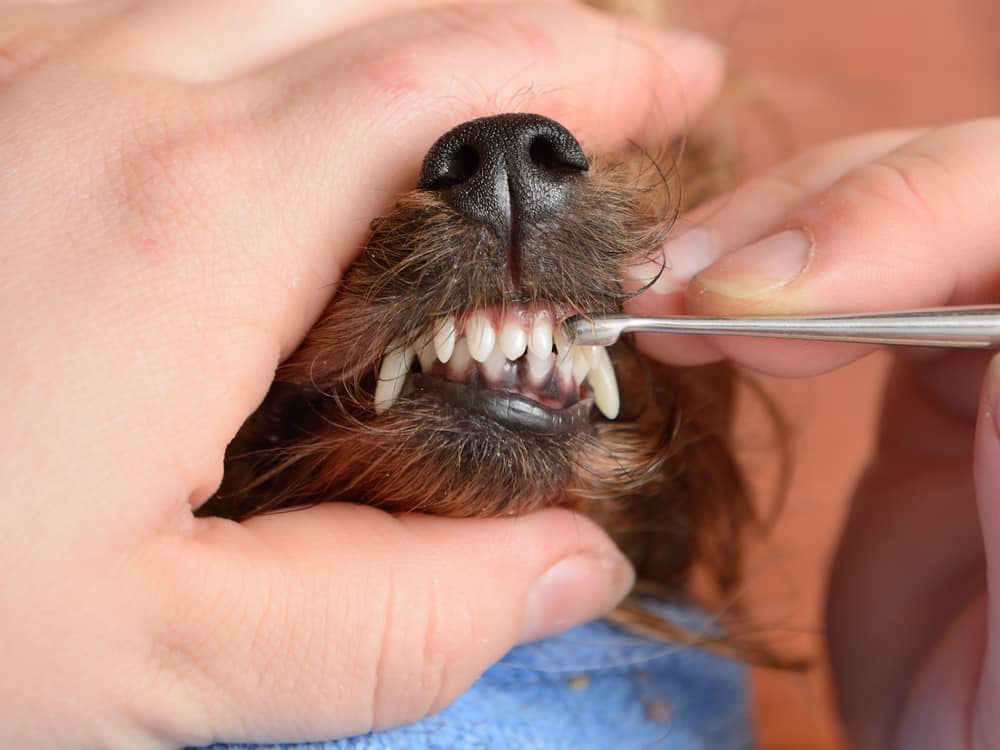
4. Ignoring the Importance of Professional Cleanings
Many owners assume home care is enough, but annual professional dental cleanings are vital. Veterinarians clean below the gumline, polish teeth, and identify early signs of gum disease. Neglecting these check-ups allows tartar to build up in areas brushing can’t reach.
If you want your dog’s mouth to stay truly healthy, combine daily brushing with vet cleanings every 6–12 months. This approach reduces the risk of costly dental surgery later.
5. Using the Wrong Brush Size or Type
A toothbrush that’s too big or stiff can hurt your dog’s mouth. For small breeds, a finger toothbrush offers better control; for larger dogs, use a soft-bristled brush with a long handle. The Petrodex Finger Toothbrush Kit is ideal for smaller dogs and puppies.
6. Neglecting Dental Chews and Toys
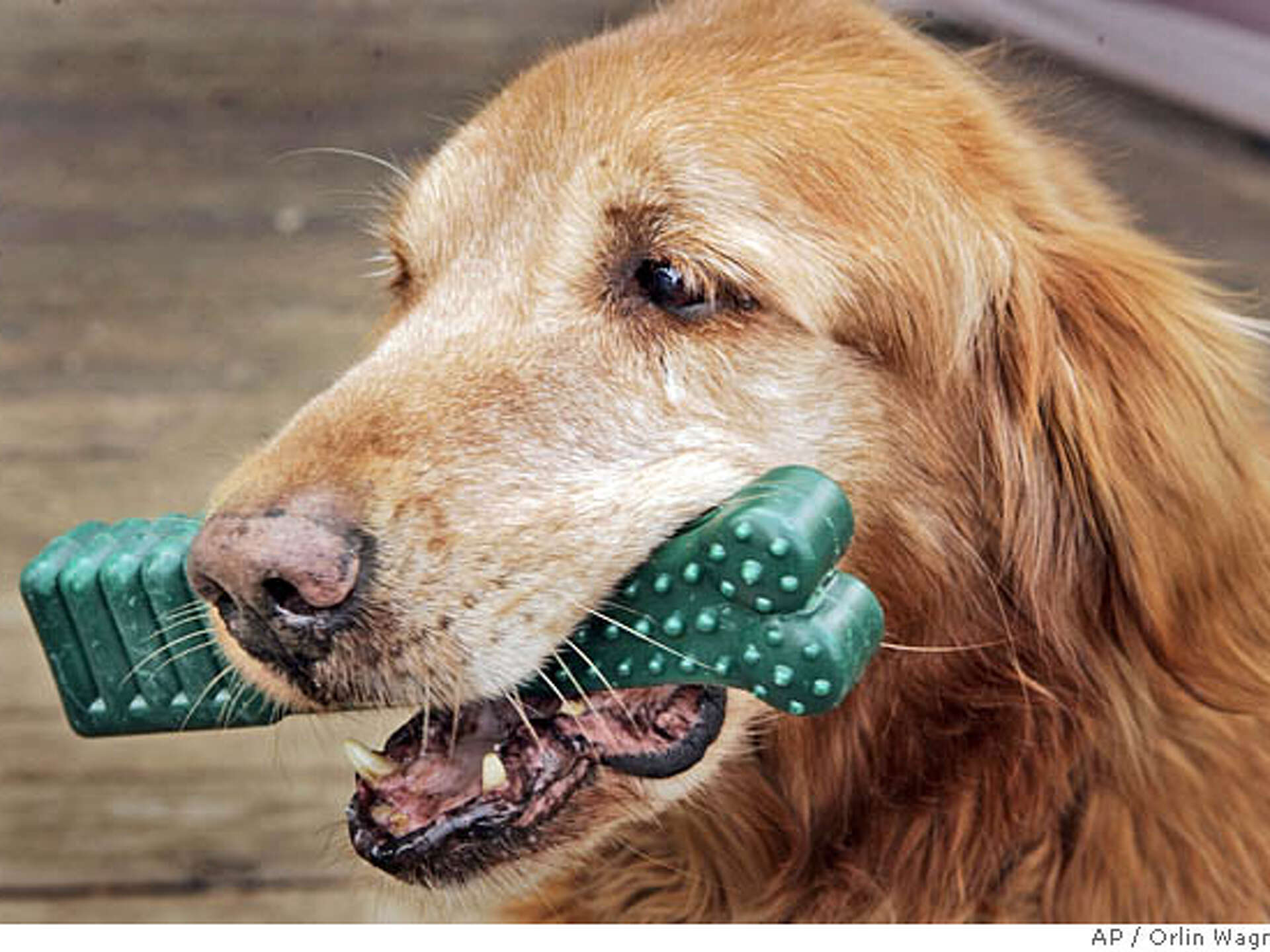
Dog Teeth cleaning mistakes to avoid Chewing helps keep your dog’s teeth clean by reducing soft plaque. Ignoring dental chews or safe rubber toys is a missed opportunity for easy cleaning. Choose VOHC-approved dental chews that are proven to control plaque and tartar.
Our favorite option is Greenies Dental Chews for Dogs—they promote oral hygiene while satisfying your dog’s natural urge to chew.
7. Forgetting to Check the Gums and Tongue
Healthy gums should be pink and firm. Redness, swelling, or bleeding are signs of gum disease. Many owners focus only on teeth and overlook gum health. Lift your dog’s lips regularly to check for inflammation or discoloration. Watch for excessive drooling, bad breath, or difficulty eating—these are early signs of infection.
8. Not Replacing Toothbrushes Often Enough
Dog Teeth cleaning mistakes to avoid Toothbrushes wear out quickly. Replace them every 2–3 months, or sooner if the bristles fray. A clean brush ensures efficient plaque removal and reduces bacteria transfer. Using a worn brush is a common yet avoidable dog teeth cleaning mistake.
9. Skipping Dental Water Additives and Mouth Rinses
Water additives are an easy way to fight bacteria and freshen your dog’s breath. Skipping them means missing out on daily passive cleaning. Look for products containing chlorhexidine or zinc, which help reduce bacterial growth without altering your dog’s drinking habits.
10. Assuming Dry Food Alone Keeps Teeth Clean
Contrary to popular belief, dry kibble alone does not clean teeth effectively. While it helps slightly compared to wet food, it cannot remove plaque or tartar. Combine a balanced diet with brushing, dental chews, and professional cleanings for optimal dog dental care.
11. Overlooking Senior Dog Dental Needs
Dog Teeth cleaning mistakes to avoid Older dogs are more prone to dental problems and may need gentler brushing or more frequent professional check-ups. Switching to softer toothbrushes and scheduling biannual cleanings can prevent pain and tooth loss in senior dogs.
12. Ignoring Behavior and Anxiety During Brushing
Forcing your dog during brushing sessions creates fear. Instead, train them gradually. Use positive reinforcement, calm energy, and short sessions. Check out our guide on encouraging your dog to enjoy brushing for step-by-step behavioral tips.
13. Not Monitoring for Bad Breath
Persistent bad breath isn’t normal—it’s usually a sign of infection, gum disease, or decaying teeth. Don’t mask it with treats or sprays; find and fix the cause. Regular dog dental care routines keep breath naturally fresh.
14. Ignoring Small Breed Risks
Dog Teeth cleaning mistakes to avoid Small dogs like Chihuahuas, Yorkies, and Poodles are more prone to dental disease due to crowded teeth. They need more frequent brushing and cleanings. If you own a small breed, pay extra attention to early signs of tartar buildup or bleeding gums.
15. Not Using Rewards After Cleaning
Brushing shouldn’t feel like punishment. Forgetting to reward your dog makes them dread the process. After every dog teeth cleaning, offer affection, verbal praise, or a Greenies Dental Chew to reinforce good behavior.
Recommended Dog Dental Care Products
- Native Pet GutWell Clean Breath – Dog Breath Freshener & Dog Dental Powder – Teeth Cleaning to Reduce Plaque & Tartar
- Arm & Hammer for Pets Tartar Control Kit for Dogs – Safe for Puppies, 3-Piece , Beef Flavor.
- Greenies Anytime Bites Dog Treats, Blueberry Flavor – Perfect treat for daily plaque control.
- Disclosure: As an Amazon Associate, we earn from qualifying purchases. This helps support our site without any extra cost to you.
FAQ: Common Dog Teeth Cleaning Questions
How often should I clean my dog’s teeth?
Brush three to four times per week and schedule vet cleanings every 6–12 months.
What are early signs of dental disease?
Bad breath, drooling, yellow teeth, and red gums indicate possible infection.
Do dental sprays or gels work?
They can help but work best alongside brushing, not as a replacement.
Can professional cleanings be risky?
When done by licensed vets under anesthesia, the benefits far outweigh the risks.
Key Takeaway
Good dental care keeps your dog’s mouth healthy, comfortable, and odor-free. By avoiding these dog teeth cleaning mistakes, using proper products, and maintaining regular brushing habits, you’ll ensure your dog’s smile stays strong for life.
For more resources, read our Best Practices for Keeping Your Dog’s Teeth Healthy or visit the American Veterinary Dental College for expert veterinary guidance.