Why Dog Teeth Cleanings Are Key to Preventing Oral Infections
Dog Teeth Cleanings Prevent Oral Infections: 7 Key Reasons Every Pet Owner Should Know
This guide explains how dog teeth cleanings prevent oral infections, what happens during a veterinary cleaning, and the at-home steps that keep your dog comfortable, healthy, and infection-free.

Article Outline
| Heading Level | Section |
|---|---|
| H2 | Understanding the Importance of Dog Dental Health |
| H3 | Why dog dental hygiene matters more than you think |
| H3 | How plaque and tartar lead to serious health risks |
| H2 | The Link Between Cleanings and Oral Infections |
| H3 | What happens without regular cleanings |
| H3 | The science behind infection prevention |
| H2 | Professional vs. At-Home Dog Teeth Cleaning |
| H3 | Inside a professional dental cleaning |
| H3 | Safe at-home care routines |
| H2 | Common Oral Infections (Spot Them Early) |
| H3 | Gingivitis & periodontal disease |
| H3 | Abscesses and halitosis |
| H2 | Warning Signs Your Dog Needs a Cleaning |
| H3 | Behavioral and physical indicators |
| H3 | When to schedule a vet visit |
| H2 | Benefits Beyond Oral Health |
| H3 | Heart, kidney, and liver protection |
| H3 | Quality of life and lifespan |
| H2 | Myths About Dog Teeth Cleaning |
| H3 | “Dry food cleans teeth” and other myths |
| H3 | Anesthesia-free cleanings |
| H2 | How Often to Clean: Timing & Frequency |
| H3 | Breed, diet, and age factors |
| H3 | Annual dental exams |
| H2 | Costs: What to Expect |
| H3 | Typical cost breakdown |
| H3 | Prevention vs. treatment costs |
| H2 | Step-by-Step At-Home Dental Care |
| H3 | Tools: toothbrushes, toothpaste, chews |
| H3 | Training a positive brushing routine |
| H2 | Veterinarian Insights & Evidence |
| H3 | Expert recommendations |
| H3 | Research highlights |
| H2 | FAQs (Before the Conclusion) |
| H2 | Conclusion |
Understanding the Importance of Dog Dental Health
Dental care is not a luxury for pets; it’s routine health care. Dogs explore the world with their mouths, and that means food debris, biofilm, and bacteria build up quickly. Within hours after a meal, a sticky film called plaque coats teeth. When plaque isn’t brushed away, minerals in saliva harden it into tartar (calculus). Tartar is rough, traps more bacteria, and wedges under the gumline, triggering inflammation. The chain reaction is predictable: irritation → infection → tissue and bone loss. The good news is equally predictable: interrupt the chain early with cleaning, and you protect the whole mouth.
Why dog dental hygiene matters more than you think
Oral pain in dogs often goes unnoticed. Many dogs keep eating despite sore gums or a fractured tooth, masking problems until they’re advanced. Untreated inflammation provides bacteria an easy path into the bloodstream, where they can stress the heart, kidneys, and liver. That’s why routine cleaning and home care aren’t just “cosmetic”—they’re disease prevention.
How plaque and tartar lead to serious health risks
As tartar and bacteria creep below the gumline, they form pockets that damage ligaments anchoring the tooth. This is periodontal disease. Left unchecked, it causes tooth mobility, abscesses, jaw pain, and eventually tooth loss. More importantly, these infected pockets are active sources of bacteria that can seed other organs. Halting the process requires removing both the visible tartar and the hidden deposits under the gumline.
The Link Between Cleanings and Oral Infections
Dog teeth cleanings prevent oral infections by removing the bacterial reservoirs that daily brushing may miss. Veterinary cleanings mechanically disrupt biofilm, scale calculus from enamel and root surfaces, and smooth the tooth so plaque re-accumulates more slowly.
What happens inside your dog’s mouth without regular cleanings
Without intervention, mild gingivitis progresses to periodontitis. Gums recede, teeth loosen, and deep pockets form. Those pockets are warm, anaerobic sanctuaries for pathogens. Dogs may develop face swelling from root abscesses, drooling, pawing at the mouth, or they may simply become less playful. Every skipped cleaning allows the bacterial load to expand.
The science behind how professional cleanings prevent infections
Professional cleanings involve ultrasonic scalers and hand instruments that reach above and below the gumline. Polishing removes micro-scratches where plaque adheres. In many cases, dental radiographs detect root disease or bone loss that isn’t visible. The immediate effect is fewer bacteria; the lasting effect is healthier gums that resist infection.

Professional vs. At-Home Dog Teeth Cleaning
Inside a professional dental cleaning
- Pre-anesthetic exam: Overall health check, bloodwork when indicated.
- Anesthesia: Keeps the airway protected and the patient still for a thorough, painless cleaning.
- Full-mouth assessment: Gum probing, charting, and often dental X-rays.
- Scaling & root planing: Removes tartar above/below gumline; smooths root surfaces.
- Polishing: Smooth enamel to slow plaque return.
- Fluoride or sealant (clinic-dependent): Adds extra protection.
Safe at-home oral care routines
Home care supports and extends the benefits of pro cleanings. The gold standard is daily brushing with pet-safe toothpaste (never fluoride human paste). Dental diets, water additives, and treats can help, but verify they’re backed by evidence. Look for the VOHC® Accepted list, which indicates products shown to reduce plaque or tartar.


Common Oral Infections in Dogs (Spot Them Early)
Gingivitis & periodontal disease
Gingivitis is gum inflammation caused by plaque. It’s reversible with cleaning and home care. Periodontal disease damages the tissues and bone that support teeth and is not fully reversible—early detection and treatment are essential to halt progression.
Abscesses and halitosis
Bad breath is often the first visible sign of infection. Deep infection can create tooth root abscesses, leading to swelling under the eye or jaw pain. Your veterinarian may recommend X-rays, antibiotics when appropriate, and extraction of non-viable teeth.
Warning Signs Your Dog Needs a Dental Cleaning
Behavioral and physical indicators
- Persistent bad breath (not just “dog breath”).
- Red, bleeding, or receding gums; yellow or brown tartar.
- Drooling, pawing at the mouth, chewing on one side.
- Reluctance to pick up toys or dry food; food dropping.
- Facial swelling, especially below the eye (possible abscess).
When to schedule a vet visit
Any of the above signs warrant an exam. Puppies benefit from early acclimation to brushing, while small breeds, brachycephalic (short-snout) dogs, and seniors often need more frequent professional cleanings.
Benefits Beyond Oral Health
Heart, kidney, and liver protection
Reducing oral bacterial load lowers the risk of bacteremia (bacteria entering the bloodstream), which in turn reduces strain on vital organs. Regular cleanings protect the body by controlling a common source of chronic inflammation.
Quality of life and lifespan
Pain-free mouths mean better appetite, more play, and improved behavior. Many owners report increased energy and brighter moods after dental issues are addressed. In short: comfort today, resilience tomorrow.
Myths About Dog Teeth Cleaning
“Dry food keeps teeth clean” and other myths
Some kibbles fracture and can help a bit, but most crumble at the tip of the tooth and do little under the gumline. Targeted dental diets are different—they are designed to mechanically scrub. Always evaluate claims against independent data (like VOHC).
Why anesthesia-free dental cleanings are risky
Scaling a wiggly, awake dog addresses only visible tartar. It can’t safely clean below the gumline, and it can roughen enamel without proper polishing, speeding plaque return. Anesthesia, when used with modern protocols, enables a complete, comfortable, and safer procedure.
How Often Should Dogs Get Their Teeth Cleaned?
Factors that determine frequency
- Breed & skull shape: Toy and brachycephalic breeds accumulate tartar faster.
- Age: Seniors tend to need more frequent care.
- Diet & home care: Daily brushing and VOHC-accepted products extend intervals.
- Health status: Immune or endocrine conditions may increase risk.
Annual dental exams: the gold standard
Most dogs benefit from an annual oral exam, with cleanings every 6–18 months depending on risk. Your veterinarian will tailor timing to your dog’s mouth, not a fixed calendar.
Cost of Dog Teeth Cleaning: What to Expect
Typical cost breakdown
| Item | What it Covers | Typical Range (USD) |
|---|---|---|
| Pre-visit exam & bloodwork | Health screen for safe anesthesia | $80–$250 |
| Anesthesia & monitoring | Drugs, fluids, monitoring | $150–$400 |
| Cleaning & polishing | Scaling above/below gumline, polish | $200–$500 |
| Dental X-rays (as needed) | Detect hidden disease | $100–$250 |
| Extractions (if needed) | Surgical time, sutures, meds | Variable ($50–$300+ per tooth) |
Note: Prices vary by region, clinic, and patient needs. Preventive care is consistently less costly than treating advanced disease.
Preventive care vs. treatment costs
Routine cleanings and daily brushing are far cheaper than treating abscesses, extractions, or organ damage related to chronic oral infection. Prevention protects your dog and your budget.
Step-by-Step Guide to At-Home Dog Dental Care
Choosing the right toothbrush and toothpaste
- Brush: Pet finger brush or soft-bristle dog toothbrush sized to your dog’s mouth.
- Paste: Enzymatic, pet-safe flavors; never use human toothpaste (xylitol/fluoride risks).
- Helpers: VOHC-accepted chews, dental water additives, and dental diets as advised by your vet.
Creating a positive brushing routine
- Week 1: Let your dog lick a pea-sized dab of toothpaste; reward calmly.
- Week 2: Gently lift the lip and rub the outer surfaces with your finger.
- Week 3: Introduce the brush; tiny circles on the canine teeth and molars.
- Week 4: Build to 45–60 seconds per side. Aim for daily; minimum 3–4×/week.
Veterinarian Insights: Expert Opinions on Dog Dental Health
Statements from veterinary dental specialists
Board-certified veterinary dentists consistently emphasize that subgingival (below-gum) cleaning and radiographs are the turning point between cosmetic and medical dentistry. That’s why thorough, anesthetized cleanings remain the standard of care.
Research findings on preventive dental care
- Daily plaque control (brushing + proven chews) reduces gingivitis and slows periodontitis.
- Professional scaling and polishing significantly decrease pathogenic bacteria for weeks to months.
- Combining pro cleanings with home care yields the most durable infection control.
Why Dog Teeth Cleanings Prevent Oral Infections (Frequently Asked Questions)
How can I tell if my dog has an oral infection?
Look for persistent bad breath, red or bleeding gums, swelling near the eye or jaw, drooling, reluctance to chew toys, and behavior changes. Any of these signs justify a dental exam.
Is anesthesia necessary for dog dental cleanings?
Yes for thorough, safe cleaning. Anesthesia protects the airway, allows subgingival scaling and polishing, and reduces stress and pain. Modern protocols are individualized and closely monitored.
Can bad breath mean an infection?
Often yes. Odor typically comes from bacterial by-products and inflamed tissues. Treat the cause—plaque and tartar—not just the smell.
What’s the safest toothpaste for dogs?
Use enzymatic, pet-specific toothpaste. Avoid human pastes, especially those containing xylitol or fluoride, which can be harmful to dogs.
How often should I brush my dog’s teeth?
Daily is ideal. Brushing at least 3–4 times per week still offers meaningful protection against plaque and gingivitis.
Are dental chews a good substitute for brushing?
They’re a helpful add-on, not a replacement. Choose VOHC-accepted chews and combine them with brushing and professional cleanings.
Conclusion: Healthy Teeth, Happy Dog—Start Preventive Care Today
The path is clear: dog teeth cleanings prevent oral infections by removing plaque and tartar at—and beneath—the gumline, cutting bacterial load, and giving gums time to heal. Pair annual exams and professional cleanings with daily brushing and evidence-based products to protect your dog’s mouth, comfort, and long-term health. A small daily habit today prevents big medical problems tomorrow.


Further Reading & Resources

Understanding Dog Oral Infections and Why Dog Teeth Cleanings Matter
Dog oral infections develop when bacteria from plaque infiltrate the gums. This triggers inflammation, gum recession, and bone loss—known as periodontal disease. Studies show that over 80% of dogs over age three suffer from some level of gum disease. Without dog teeth cleaning, bacteria multiply rapidly, creating chronic infection and pain.
How Oral Infections Affect Your Dog’s Health
When oral bacteria enter the bloodstream, they can damage the heart (endocarditis), liver, and kidneys. In severe cases, they may even contribute to diabetes complications. That’s why dog dental hygiene isn’t optional—it’s vital for overall health and longevity.

Common Causes of Oral Infections in Dogs
The root causes of dog oral infections are usually preventable. Here are the leading culprits:
Poor Brushing Habits
Many pet owners skip regular brushing or use the wrong technique. Plaque hardens into tartar in less than three days if not removed through dog teeth cleaning.
Wrong Toothpaste or Tools
Using human toothpaste exposes dogs to fluoride and xylitol—both toxic. Instead, choose enzymatic options like Virbac C.E.T. Enzymatic Dog Toothpaste, designed to fight bacteria safely.
Poor Diet and Excessive Treats
Sugary snacks and sticky treats promote bacterial growth. A balanced, crunchy diet supports natural cleaning during chewing.
Lack of Professional Cleanings
Even the best brushing can’t remove deep tartar under the gumline. Annual veterinary dental cleanings are essential to prevent hidden infection.
Signs Your Dog May Have an Oral Infection
Recognizing the early symptoms can save your dog from pain and expensive treatment:
- Bad breath or sour odor
- Bleeding gums or drooling
- Difficulty chewing or pawing at the mouth
- Yellow or brown tartar on teeth
- Swelling around the muzzle or jaw
- Loss of appetite or refusal to eat hard food
Pro Tip:
Lift your dog’s lips weekly to inspect gums. Healthy gums should appear pink and firm, never red or swollen.
How Dog Teeth Cleanings Prevent Oral Infections
Routine dog teeth cleaning removes bacterial colonies before they trigger inflammation. Professional cleanings under anesthesia allow vets to scale below the gumline, polish enamel, and assess dental health.
Professional vs. At-Home Dog Teeth Cleanings
Professional cleaning is like a reset—removing deep tartar. At-home cleaning maintains that cleanliness daily. Both are needed for complete oral health.
Vet Tip:
Pair annual vet cleanings with daily brushing to reduce infection risk by over 80%.
How to Brush Your Dog’s Teeth to Prevent Oral Infections
Here’s a vet-approved approach to at-home dog dental care that protects against infection:
Step 1: Choose the Right Tools
Use a soft-bristled toothbrush and enzymatic toothpaste like Petrodex Finger Toothbrush Kit. Never use human toothpaste.
Step 2: Start Slow
Introduce the brush gently. Let your dog sniff and lick the toothpaste before brushing. Keep sessions short and positive.
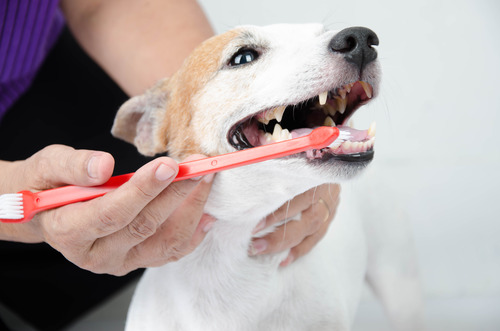
Step 3: Brush Using Circular Motions
Focus on the outer surfaces and gumline, where bacteria thrive. Brush for about 30 seconds per side, gradually increasing duration.
Step 4: Reward and Repeat
After each dog teeth cleaning, reward with praise or a Greenies Dental Chew to encourage good behavior and maintain clean teeth.
Top Vet-Approved Products to Prevent Dog Oral Infections
- Virbac C.E.T. Enzymatic Dog Toothpaste – Safely removes plaque and neutralizes odor.
- Petrodex Finger Toothbrush Kit – Gentle brushing for small breeds and training.
- Greenies Dental Chews for Dogs – VOHC-approved treats for daily oral hygiene.
External Resources for Dog Dental Care
Expand your knowledge using trusted veterinary sources:
- American Veterinary Dental College (AVDC) – Expert guidance on professional cleaning.
- Veterinary Oral Health Council (VOHC) – VOHC-approved products and testing standards.
- American Veterinary Medical Association (AVMA) – General dental care recommendations for pets.
Internal Resources
Continue building your dog’s dental routine with these guides:
FAQ: Dog Teeth Cleaning and Oral Infection Prevention
How often should I clean my dog’s teeth?
Brush 3–4 times per week and schedule professional cleanings once a year to prevent oral infections.
Are dog oral infections contagious?
No, but bacteria from infected gums can harm other pets if they share food or toys.
What happens if I never clean my dog’s teeth?
Untreated bacteria cause gum inflammation, pain, tooth loss, and systemic infection.
Can I prevent infections without brushing?
Chews and water additives help, but brushing remains the most effective prevention method.
Key Takeaway: Why Dog Teeth Cleanings Prevent Oral Infections
Consistent dog teeth cleanings safeguard your pet’s mouth and entire body. Oral infections can be silent killers, but with the right care—brushing, professional cleanings, and high-quality dental products—you can ensure your dog lives a longer, healthier, pain-free life. Prevention is easier, cheaper, and far more compassionate than treatment.
Disclosure: As an Amazon Associate, we earn from qualifying purchases. This helps support our site without any extra cost to you.