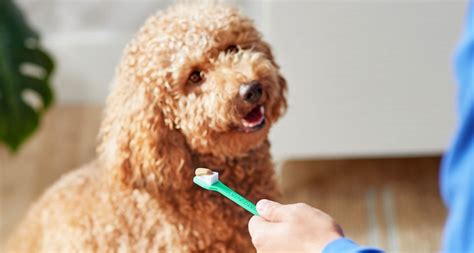
How to Clean Dog Teeth at Home: A Step-by-Step Guide
Maintaining your dog’s oral hygiene is just as important as grooming or feeding. Poor dental care can lead to bad breath, gum disease, and even heart issues. The good news? You can easily clean your dog’s teeth at home with the right tools and a little patience.
1. Choose the Right Toothbrush and Toothpaste
Never use human toothpaste—it can be toxic for dogs. Instead, get a dog-specific toothbrush (finger brush or soft-bristled brush) and enzymatic dog toothpaste. These products are designed to safely remove plaque and reduce bacteria.
2. Introduce Brushing Gradually
Start by letting your dog sniff and lick the toothbrush and toothpaste. For the first few days, gently rub their gums with your finger. Once they’re comfortable, start brushing in small circular motions. Reward them after each session with praise or a treat to build a positive association.
3. Brush Regularly but Gently
Aim to brush your dog’s teeth at least three times a week. Focus on the outer surfaces where plaque builds up most. Avoid brushing too hard—gentle pressure prevents gum irritation and bleeding.
4. Use Dental Chews and Toys
Dental chews are a great supplement to brushing. They help reduce plaque buildup and keep your dog’s jaw muscles strong. Look for VOHC-approved (Veterinary Oral Health Council) chews for best results. Rubber chew toys can also massage gums and clean teeth naturally.
5. Add Natural Remedies for Fresh Breath
Coconut oil and parsley are natural options for better breath. You can also mix a dental water additive into your dog’s water bowl to kill bacteria and freshen their breath between brushings.
6. Schedule Regular Vet Checkups
Even with regular home care, your dog still needs professional dental cleaning once a year. Your vet can spot tartar buildup or early signs of gum disease that brushing alone can’t fix.
Keeping your dog’s teeth clean helps prevent tartar, bad breath, and gum disease.
— it mixes effortlessly with food and supports daily oral hygiene.
Key Takeaway
How to Clean Dog Teeth at Home Learning how to clean dog teeth at home saves money and keeps your furry friend healthy. Consistency is key—combine brushing, dental chews, and regular checkups for a lifetime of happy smiles.
Link to another post like “Best Dog Dental Chews for Healthy Teeth”
Extra Section: Common Mistakes When Cleaning Your Dog’s Teeth
Another mistake is using the wrong tools. Human toothbrushes and toothpaste are not safe for dogs. The fluoride and sweeteners in human products can be toxic. Always use pet-specific items designed for canine mouths.
Finally, inconsistent brushing is a silent problem. Skipping weeks can allow plaque to harden into tartar, which no toothbrush can remove. The goal isn’t perfection in one session—it’s regular, relaxed care. A few minutes every week keeps your dog’s mouth fresh and disease-free.
Top Benefits of Regular Dog Teeth Cleaning
Extra Section: When to Seek Professional Help
How to Clean Dog Teeth at Home care is powerful, but it can’t replace a vet’s expertise. If your dog shows persistent bad breath, drooling, swollen gums, or bleeding, it’s time for a professional dental check. Vets can perform scaling and polishing to remove deep tartar. Some dogs—especially small breeds—need these cleanings once or twice a year.
Pairing home brushing with annual professional cleaning offers the best protection. Think of it as teamwork: you handle the daily maintenance, and your vet handles the deep work.
How often should I clean my dog’s teeth?
Ideally, you should brush your dog’s teeth 3–4 times per week to prevent plaque buildup.
Can I use human toothpaste on my dog?
No, human toothpaste contains fluoride and other chemicals toxic to dogs. Always use dog-safe enzymatic toothpaste.
What if my dog refuses brushing?
Try dental chews, water additives, or rubber toys to reduce plaque until your dog gets used to brushing.